FDA Issues Urgent Recall of Popular Allergy Med — Check Your Bottle Now

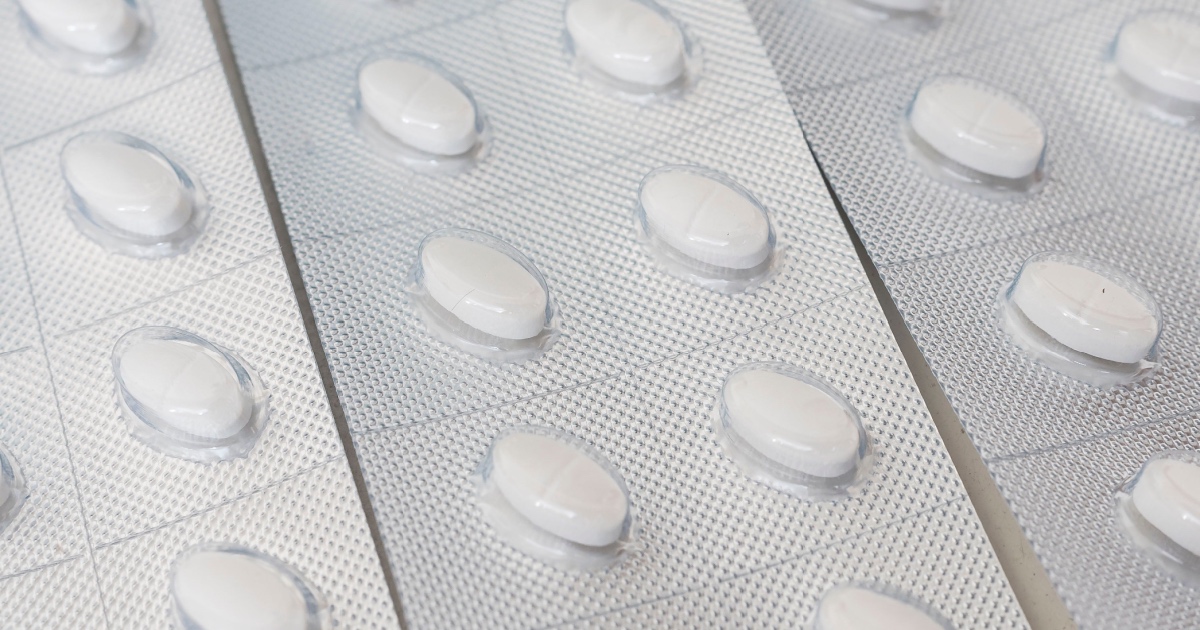
A pharmacy technician counting cetirizine tablets at the time of dispensing noticed something that didn’t belong – a red dot on certain tablets, with others appearing discolored from what turned out to be multiple red-colored spots. That single observation triggered a nationwide cetirizine recall that federal regulators say could prevent a potentially life-threatening situation for people with a specific, and often unknown, drug sensitivity.
Unique Pharmaceutical Laboratories, a division of J.B. Chemicals & Pharmaceuticals Ltd., voluntarily recalled four lots of Cetirizine Hydrochloride Tablets USP 5 mg to the consumer level due to cross-contamination with ranitidine. Cetirizine is one of the most commonly used allergy medications in the country – the active ingredient in over-the-counter Zyrtec – and its potential mix-up with a stomach acid drug has raised sharp questions about manufacturing quality controls. The concern isn’t that most people will be harmed. The concern is that for a specific group, taking a contaminated tablet could trigger an emergency that unfolds in minutes.
Cetirizine is an antihistamine used to treat allergy symptoms such as sneezing, runny nose, itchy nose or throat, and red, itchy or watery eyes. It is also used to treat hives. The FDA said certain lots of these tablets, commonly sold over the counter as generic versions of Zyrtec, are affected by the voluntary recall. The FDA recall notice has not included Zyrtec-branded products as part of this recall. But for consumers who bought the generic, the details matter urgently.
What Triggered the Cetirizine Recall
A product complaint was received after a pharmacy technician identified a discrepancy while counting tablets at the time of dispensing. The complaint reported the appearance of a red dot on cetirizine hydrochloride tablets USP 5 mg, with some tablets appearing discolored due to multiple red-colored dots.
Rising Pharma Holdings initiated a recall at the consumer level for Cetirizine Hydrochloride Tablets USP 5 mg, manufactured by Unique Pharmaceutical Laboratories, for four batches due to cross-contamination with ranitidine. As part of the investigation, finished product retain samples were tested for all four batches, and two of them – GY825030 and GY825031 – failed to comply in related substance testing. In an abundance of caution and in accordance with their commitment to product quality and patient safety, a recall was initiated for all four batches.
The recall was announced by the company on July 18 and posted by the FDA this week. The recall was initiated by Unique Pharmaceutical Laboratories, a division of J.B. Chemicals & Pharmaceuticals Ltd., based in Panoli, Gujarat, India. The voluntary recall affects 100-count bottles distributed by New Jersey-based Rising Pharma Holdings Inc. to wholesalers and retailers nationwide.
How to Check If Your Bottle Is Affected
The affected lot numbers are GY825029, GY825030, GY825031, and GY825032, all with expiration dates of October 2028. The products were distributed nationwide to wholesalers and retailers. The product is packaged in HDPE bottles of 100 tablets with National Drug Code (NDC) 16571-401-10.
The lot number is printed on the bottle’s label, typically near the expiration date. If your bottle carries any of those four lot numbers, stop using it. Rising Pharma Holdings has notified distributors and direct customers by email and is arranging for the return of all recalled products. This cetirizine recall extends across the full consumer chain, meaning your local pharmacy may already have received instructions to pull the product from shelves.
The FDA recall notice has not included Zyrtec-branded products as part of this recall, so if you use the branded version, your medication is not part of this action. The concern is limited specifically to the four generic lots distributed under Rising Pharma Holdings.
This is not the first time Rising Pharma-distributed products have been the subject of an FDA action. Earlier in 2026, another Rising Pharma-distributed medication – a blood pressure drug that failed dissolution specifications – was pulled from shelves nationwide. For more on the risks tied to other commonly used OTC antihistamines, see our coverage of diphenhydramine and long-term brain health.
Why Ranitidine Cross-Contamination Is a Serious Risk
The affected tablets may be contaminated with ranitidine, an acid-reducing medication used to treat ulcers, gastroesophageal reflux disease (GERD), and conditions in which the stomach produces too much acid. For most people, accidental exposure to trace amounts of ranitidine in an allergy pill might cause nothing noticeable. But for people with a hypersensitivity to ranitidine’s ingredients, the picture is very different.
For consumers with a hypersensitivity to the ingredients in ranitidine, there is a reasonable probability that ingestion of cetirizine tablets contaminated with ranitidine could result in serious adverse events including severe hypersensitivity reactions and anaphylaxis that manifests as hypotension, dyspnea, difficulty swallowing, throat and facial edema, generalized pruritus, urticaria, and loss of consciousness, all of which are life-threatening.
Anaphylaxis is not a mild allergic reaction. According to the Mayo Clinic, anaphylaxis is a severe, potentially life-threatening allergic reaction that can occur within seconds or minutes of exposure to an allergen. It causes the immune system to release chemicals that can cause a person to go into shock, with blood pressure dropping suddenly and airways narrowing. The only treatment for anaphylaxis is epinephrine, which must be injected, followed by emergency room care.
The risk here is specifically tied to ranitidine sensitivity, which many people may not know they have. Ranitidine is a drug most people would only encounter if they sought treatment for acid reflux or heartburn. Someone who has never taken it and never had a reaction to it could still have an underlying sensitivity that has simply never been triggered before.
Ranitidine’s Own Troubled History
Ranitidine, sold under the brand name Zantac, was removed from the U.S. market in 2020 after regulators raised concerns over contamination with a probable human carcinogen. The FDA requested that all manufacturers withdraw all prescription and over-the-counter ranitidine products from the market due to N-Nitrosodimethylamine (NDMA) contamination. NDMA (N-Nitrosodimethylamine) is classified as a probable human carcinogen – a substance associated with cancer risk – and levels were found to increase over time in ranitidine products, particularly when stored at higher than room temperature, according to the FDA’s 2020 announcement.
A reformulated version of the medication was later approved by regulators in 2025. That reformulated ranitidine addressed the NDMA concerns that had originally triggered the market withdrawal. Its return to availability means pharmaceutical manufacturers may once again be working with ranitidine in production environments – which raises the question of how contamination with an allergy tablet happened in the first place. The FDA says it is continuing to monitor the situation while the manufacturer investigates the root cause of the cross-contamination.
The Scale of Cetirizine Use in the U.S.
The scope of this cetirizine recall lands against a backdrop of enormous medication volume. According to the FDA, in 2022, an estimated 26.8 million cetirizine and levocetirizine prescriptions were dispensed from U.S. outpatient pharmacies – and that figure doesn’t include the far larger volume of over-the-counter purchases that require no prescription at all. Cetirizine gained over-the-counter status in 2007, according to the National Institutes of Health, and has since become one of the default choices millions of Americans reach for during allergy season.
Regulatory systems depend on multiple layers of quality control, and in this case, a downstream observation caught what manufacturing checks did not – a pharmacy technician’s visual catch at the point of dispensing set off the entire chain of events that led to this recall.
To date, Unique Pharmaceuticals has not received any reports of adverse events related to this recall. No confirmed injuries have been reported as of the recall announcement, but the absence of reports doesn’t mean no one received a contaminated bottle – it means no one has yet connected a health event to this specific product.
Read More: Popular Blood Pressure Medication Recalled Nationwide: What Patients Need to Know
What to Do Now
If you have a bottle of cetirizine hydrochloride 5 mg tablets at home, check the lot number on the label against the four recalled batches: GY825029, GY825030, GY825031, and GY825032. All four carry an expiration date of October 2028. If your bottle matches, do not take any more tablets. Rising Pharma Holdings has notified distributors and direct customers by email and is arranging for the return of all recalled products. Consumers with questions can contact Rising Pharma Holdings at 1-844-874-7464, Monday through Friday from 8 a.m. to 5 p.m. EST, or by email at [email protected] or [email protected].
Consumers should contact their physician or healthcare provider if they have experienced any problems that may be related to taking or using this drug product. If you’ve already taken tablets from a recalled lot and you developed symptoms – throat tightness, difficulty breathing, a sudden drop in blood pressure, hives, or dizziness – seek emergency medical care immediately. Anaphylaxis requires epinephrine and emergency room care, not a wait-and-see approach.
Adverse reactions or quality problems with this product may be reported to the FDA’s MedWatch Adverse Event Reporting program either online at www.fda.gov/medwatch, by regular mail, or by fax. If your bottle is not from one of the four recalled lots, your medication is not part of this action and you do not need to stop taking it.
For consumers who need an alternative allergy medication while they sort out the recall, speak directly with a pharmacist or physician before switching. Other antihistamines are available, but the right choice depends on your individual health history and any other medications you take.
Disclaimer: The author is not a licensed medical professional. The information provided is for general informational and educational purposes only and is based on research from publicly available, reputable sources. It is not intended to constitute, and should not be relied upon as, medical advice, diagnosis, or treatment. Always consult a licensed physician or other qualified healthcare provider regarding any medical condition, symptoms, or medications. Do not disregard, avoid, or delay seeking professional medical advice or treatment because of information contained herein.
AI Disclaimer: This article was created with the assistance of AI tools and reviewed by a human editor.