These Popular Foods Could Cause Heart Disease


People who eat around nine daily servings of ultra-processed foods are 67% more likely to suffer a heart attack or stroke than people eating about one serving – even after controlling for calorie intake, overall diet quality, diabetes, high blood pressure, and obesity. The food itself, independent of everything else, appears to be doing something harmful. That finding, from a large multi-ethnic U.S. study presented at the American College of Cardiology’s 2026 Annual Scientific Session, reframes a question most people think they already know the answer to.
Most of us understand, at least in theory, that junk food isn’t good for the heart. But the emerging evidence suggests the problem runs deeper than the salt, sugar, and saturated fat contained in these foods. It points to the processing itself as an independent cardiovascular threat. Meanwhile, several foods that have long occupied the gray zone of dietary advice – including some marketed as healthy – are showing up repeatedly in the research on what actually causes heart disease. Understanding which specific foods are implicated, and why, gives you something more useful than a general instruction to “eat better.”
The six categories below reflect the strongest current evidence on foods that cause heart disease. None of them will surprise you entirely, but the magnitude of the risk in each case almost certainly will.
1. Ultra-Processed Foods
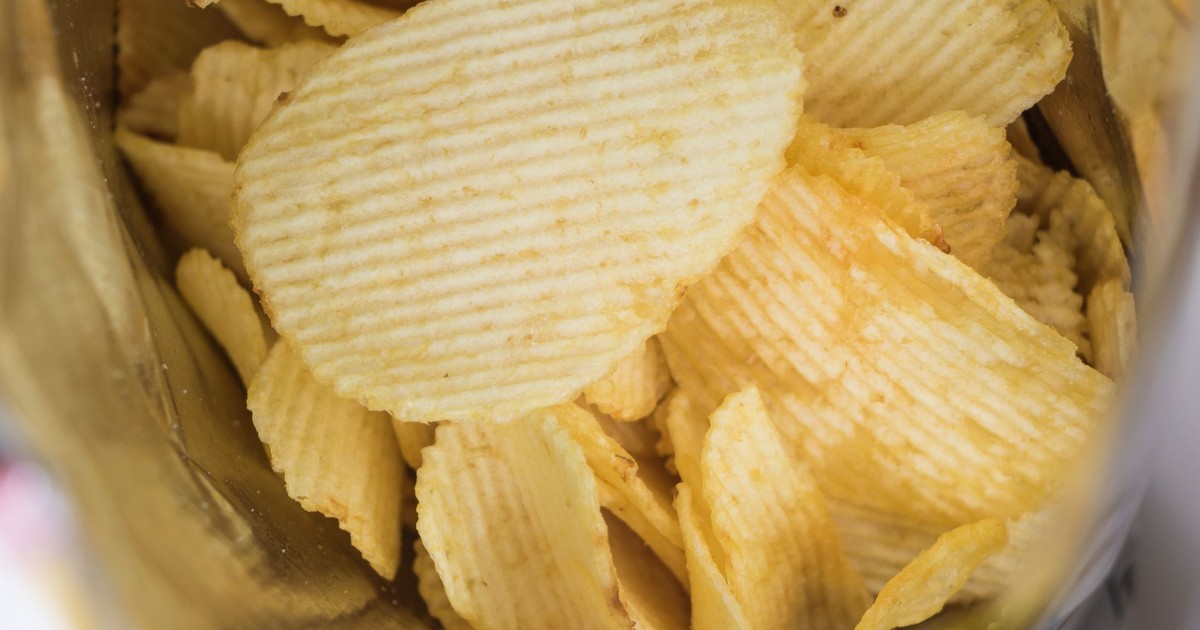
New research published in The American Journal of Preventive Medicine and presented at the International Congress on Obesity 2026 suggests that 23% to 38% of all cardiovascular deaths and 23% to 37% of all cases of cardiovascular disease are attributable to ultra-processed food consumption. That’s not a marginal contribution. For context, that would make ultra-processed food one of the largest single dietary drivers of heart disease deaths globally.
Among people eating the most ultra-processed food, the risk of dying from coronary heart disease or stroke, or experiencing a non-fatal cardiac event, was 67% greater than among those eating the least – and that gap held “regardless of the amount of calories consumed per day, regardless of the overall quality of your diet, and after controlling for common risk factors like diabetes, high blood pressure, high cholesterol and obesity.” This is what makes the finding so striking: the risk isn’t explained by the usual suspects.
Ultra-processed foods, made from industrial ingredients and additives, have largely replaced traditional diets in many countries, and research links them to several cardiovascular risk factors, including obesity, diabetes, and high blood pressure, as well as to the risk of developing and dying from heart disease. The American Heart Association notes these foods are typically high in saturated fats, added sugars, and sodium – but the 2026 research suggests those ingredients alone don’t fully explain the cardiovascular damage. The processing itself – the emulsifiers, colorants, flavor enhancers, and other additives – may be doing independent harm.
A practical threshold matters here. People consuming the highest amounts were 67% more likely to die from coronary heart disease or stroke or to experience a non-fatal heart attack, stroke, or resuscitated cardiac arrest, and the data shows risk increases incrementally with each additional serving. Swapping packaged snacks, frozen meals, and processed deli items for whole-food alternatives is one of the highest-leverage dietary changes the current evidence supports.
2. Processed Meats

The distinction between processed meat and unprocessed red meat matters more than most people realize. A meta-analysis published in Circulation found that each daily serving of processed meat – including bacon, hot dogs, and salami – was associated with a 42% higher risk of coronary heart disease, while unprocessed red meat showed no significant association. The sodium and nitrates used to cure and preserve these products appear to drive much of that risk, independent of the meat itself.
The elevated risk from processed meat may stem from its high sodium content, which raises blood pressure, as well as its saturated fat content, which increases LDL cholesterol – both well-established risk factors for coronary heart disease. But there’s also growing attention to food additives like nitrites, which have been shown in some studies to cause endothelial dysfunction (damage to the inner lining of blood vessels) and impaired insulin response.
Researchers at the University of Oxford confirm the pattern holds across large populations. Each additional 50 grams per day of processed meat – roughly two slices of bacon or one sausage – increased the risk of coronary heart disease by 18% in a review of 13 large-scale prospective studies covering more than 1.4 million people. The practical takeaway is straightforward: cutting processed meat entirely, rather than simply reducing red meat broadly, appears to carry a significantly larger cardiovascular benefit.
3. Foods High in Saturated Fat

Saturated fat – the kind found in butter, full-fat dairy, fatty cuts of meat, and many baked goods – raises LDL cholesterol (often called “bad” cholesterol). A landmark presidential advisory published in Circulation by the American Heart Association confirms that lowering saturated fat intake and replacing it with unsaturated fats lowers the incidence of cardiovascular disease. The direction of the evidence has been consistent across decades of research.
The American Heart Association recommends limiting saturated fat to less than 6% of total daily calories. For someone consuming 2,000 calories per day, that’s about 13 grams – less than the amount in a single tablespoon of butter plus a glass of whole milk. Most Americans significantly exceed that threshold without realizing it, partly because saturated fat is distributed across so many ordinary foods.
A large cohort study in the Million Veteran Program found that higher intake of red meat, including both unprocessed and processed red meat, was associated with a higher risk of total cardiovascular diseases, fatal CVD, nonfatal heart attacks, and nonfatal ischemic stroke. The 2025 Dietary Guidelines Advisory Committee reinforced this, recommending that Americans limit full-fat dairy consumption specifically. Choosing olive oil over butter, leaner protein sources, and low-fat dairy over full-fat versions are the most evidence-backed swaps available for reducing this particular risk.
4. Trans Fats
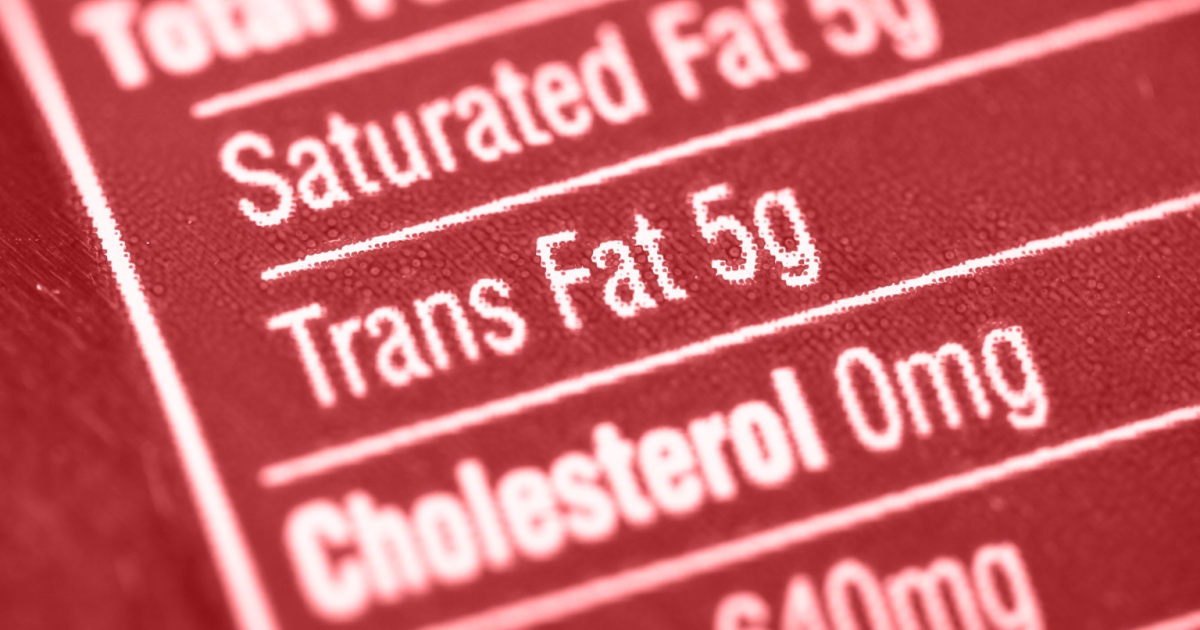
Industrially produced trans fats – created when liquid vegetable oils are partially hydrogenated to become solid – represent one of the most clearly harmful additions to the modern food supply. According to the World Health Organization, high trans fat intake increases coronary heart disease mortality by 28% and all-cause mortality by 34%.
The WHO also estimates that trans fat intake is responsible for up to 500,000 premature deaths from coronary heart disease each year globally. That figure reflects decades of widespread use in margarine, commercially fried foods, packaged pastries, and fast food before regulatory action began reducing their presence in many countries’ food supplies.
Trans fats are particularly destructive because they simultaneously raise LDL cholesterol and lower HDL cholesterol (the “good” kind that helps clear arteries). Many countries, including the United States, have moved to ban or severely limit partially hydrogenated oils – the primary industrial source – but trans fats can still appear in small quantities in foods with “0g trans fat” on the label, because the FDA allows rounding down if a serving contains less than 0.5 grams. Checking the ingredient list for “partially hydrogenated oil” remains the only reliable way to avoid them. If you eat packaged crackers, microwave popcorn, or commercially made frosting regularly, it’s worth checking.
5. Sugar-Sweetened Beverages

Sugar-sweetened beverages contribute to 1.2 million new cardiovascular disease cases globally each year, according to research from Tufts University. The mechanism involves more than just excess calories – these drinks spike blood sugar rapidly, promote insulin resistance, raise triglycerides, and contribute to chronic inflammation, all of which directly damage the cardiovascular system.
A study led by researchers at Harvard T.H. Chan School of Public Health found that the benefits of physical activity do not outweigh the cardiovascular risks associated with drinking sugar-sweetened beverages – a finding that directly contradicts the marketing strategy of many sports and energy drink brands. The Harvard research, published in 2024, found that adding one sugary drink per day is associated with an 18% increased cardiovascular disease risk, regardless of how much a person exercises.
Women face a particularly pronounced risk. A study published in the Journal of the American Heart Association found that women consuming one or more sugar-sweetened beverages per day had a 19% higher risk of cardiovascular disease overall, a 26% higher risk of needing cardiac revascularization (a procedure to restore blood flow to the heart), and a 21% higher risk of stroke. These are not marginal differences. Replacing one daily soda, sweetened coffee drink, or sports drink with water, sparkling water, or unsweetened tea is one of the simplest, most evidence-supported changes a person can make.
You can find more on how specific dietary patterns affect long-term heart health in this overview of dietary habits and heart disease deaths.
6. Artificial Sweeteners

Many people switch from sugary drinks to diet versions expecting a cardiovascular benefit. The evidence, particularly from recent years, complicates that assumption considerably. A 2024 study from UK Biobank data found that artificial sweetener intake was significantly associated with increased overall cardiovascular disease risk, including coronary artery disease and peripheral arterial disease. The association was dose-dependent, meaning higher intake corresponded to higher risk.
A 2022 study published in the European Journal of Public Health found that aspartame consumption was associated with a 29% higher risk of cerebrovascular events (including stroke), while acesulfame-K was associated with a 24% higher cardiovascular disease risk. These are two of the most commonly used artificial sweeteners in diet sodas, sugar-free chewing gum, and reduced-calorie packaged foods.
The precise mechanism isn’t fully settled. Current hypotheses focus on how artificial sweeteners may alter gut microbiome composition (the community of bacteria in the digestive system), disrupt insulin signaling, and promote low-grade inflammation – all of which can accelerate cardiovascular disease over time. These studies are largely observational, which means they show association rather than proven causation. People who consume a lot of diet drinks may also have other lifestyle factors that increase heart risk. That said, the consistency of findings across multiple large cohorts makes this an area where switching to unsweetened alternatives – rather than simply trading sugar for artificial sweeteners – is a defensible approach while research continues.
Read More: Heart Surgeon Issues Warning for Food People Eat That Is ‘Slowly Destroying Your Heart’
What to Do Now

The thread connecting all six categories is worth naming directly. Ultra-processed foods, processed meats, foods heavy in saturated or trans fats, sugar-sweetened beverages, and artificially sweetened alternatives all share a common feature: they’re products of industrial manufacturing optimized for palatability, shelf stability, and profit – not nutritional quality. The most recent global estimate suggests nearly a third of all cardiovascular deaths may be attributable to ultra-processed food consumption alone, which means dietary change is among the most potent tools available for reducing heart disease risk at a population level.
The good news embedded in all of this is that most of the risk is modifiable. Replacing processed meats with unprocessed protein sources, choosing water over sweetened beverages, limiting foods with “partially hydrogenated oil” in the ingredient list, and keeping saturated fat below 6% of daily calories are all achievable shifts. You don’t need to overhaul everything at once. Start with the category where your consumption is highest and where the swap is most practical. The evidence is clear enough that even modest, sustained changes are meaningful for long-term cardiovascular health.
Disclaimer: This information is not intended to be a substitute for professional medical advice, diagnosis, or treatment and is for information only. Always seek the advice of your physician or another qualified health provider with any questions about your medical condition and/or current medication. Do not disregard professional medical advice or delay seeking advice or treatment because of something you have read here.
AI Disclaimer: This article was created with the assistance of AI tools and reviewed by a human editor.
Read More: 8 Heart Healthy Supplements To Consider (and 2 To Avoid)