
Mysterious Ancient Tunnel System Discovery Has Archeologists Scratching Their Heads

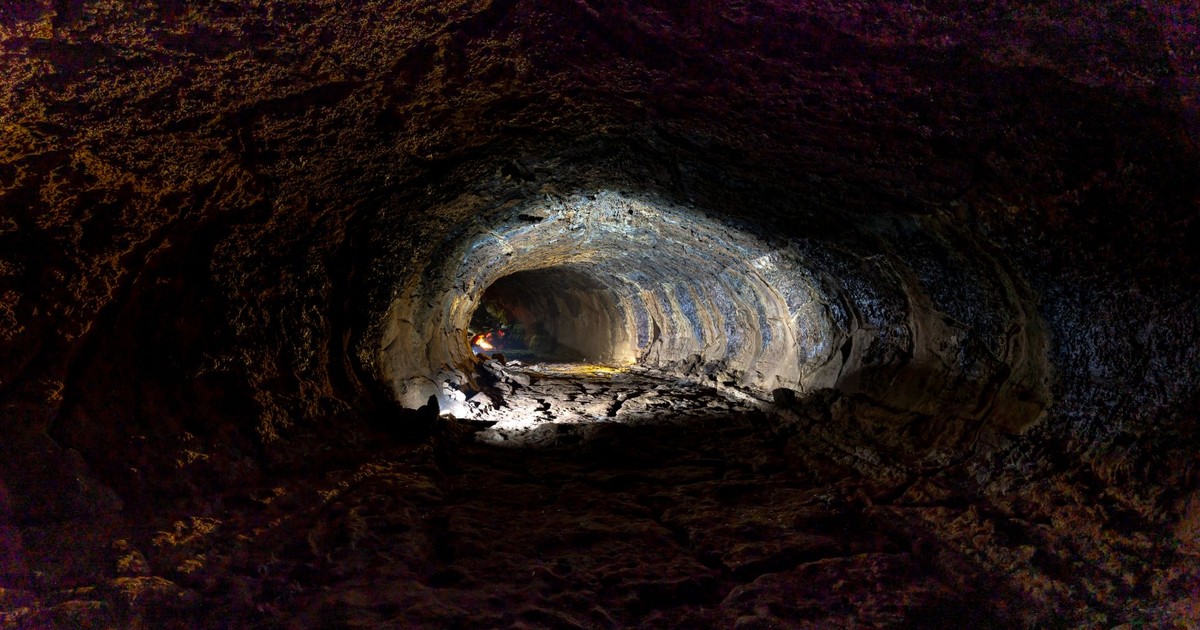
A staircase descending into solid bedrock, opening into a passage tall enough to stand in comfortably and wide enough for a small group to walk side by side – and not a single object left behind to explain who built it, when, or why. That is the situation archaeologists found themselves in when they broke into this ancient tunnel system discovery beneath Jerusalem’s southern outskirts in May 2026.
The tunnel runs approximately 50 meters (164 feet) through the rock. It measures roughly 5 meters high and 3 meters wide. To put that in perspective, the tunnel is over half the length of a football field, tall enough for people to stand with room to spare, and wide enough for two or three people to walk side by side. Whoever carved it did not do so casually. The excavation directors noted that “whoever carved this tunnel invested tremendous effort, careful planning, and possessed the capabilities and resources necessary to achieve this goal.” That goal, however, remains entirely unknown.
The discovery raises questions that decades of Jerusalem archaeology have not prepared researchers to answer. Every theory they’ve tested has collapsed. Each explanation that seemed logical – water supply, agriculture, industry – has been ruled out one by one by the physical evidence inside the tunnel itself. What’s left is a structure of considerable scale and sophistication with no name, no date, and no clear function.
How the Tunnel Was Found
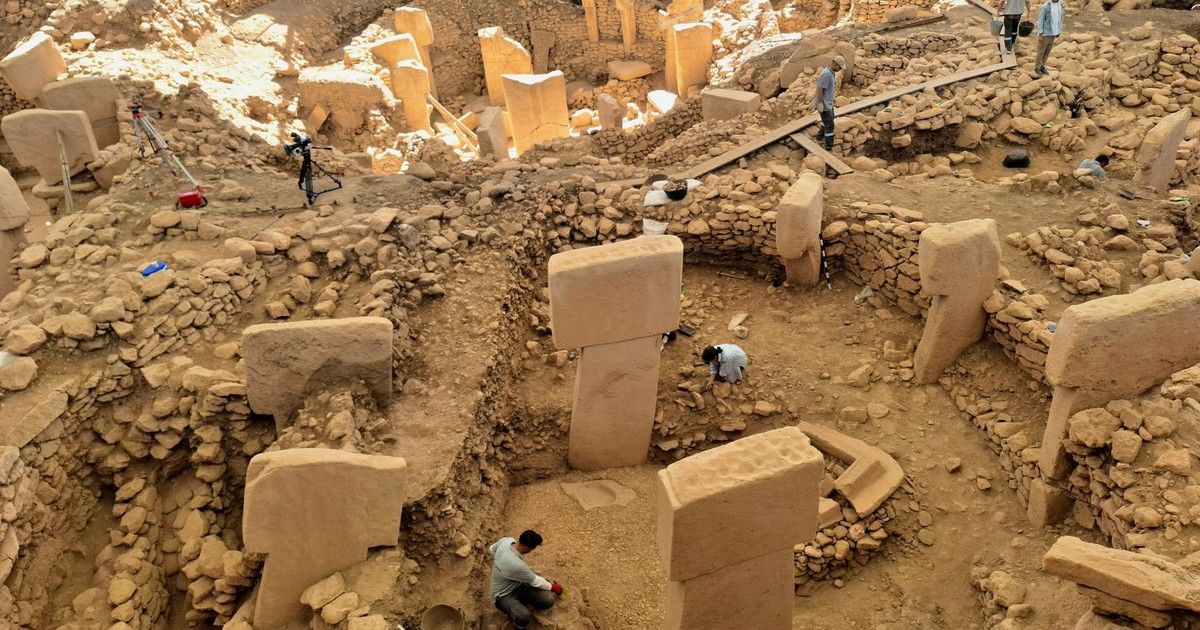
The tunnel was unearthed near the Ramat Rachel neighborhood in Jerusalem during a salvage excavation ahead of new construction, in a discovery announced by the Israel Antiquities Authority on May 14, 2026. The dig wasn’t initiated by a hunch or a historical map. All construction projects in Israel are required by law to include archaeological surveys before work begins. This particular survey, near Kibbutz Ramat Rachel on Jerusalem’s southern edge, was supposed to be routine.
Excavation directors Dr. Sivan Mizrahi and Zinovi Matskevich of the IAA were working what appeared to be a relatively rocky and exposed area when they discovered what initially looked like a natural karstic cavity – a hollow formed by the natural dissolving of limestone bedrock over thousands of years. That first impression didn’t last long. As Matskevich told the Times of Israel, “At the beginning, we thought it might just be a natural cave, but then we realized that it could not be the case.”
As the excavation continued, the cavity developed into a long tunnel, with parts still blocked and winding, meaning the team had not yet reached its end. What started as a standard pre-build check had turned into something far more unusual. According to Archaeology Magazine, the residential project north of Ramat Rachel is planned to include 488 housing units, commercial spaces, an elementary school, and kindergartens across roughly 58 dunams – a development scale that made the mandatory survey especially thorough, which is precisely why the tunnel came to light at all.
The Buried Staircase
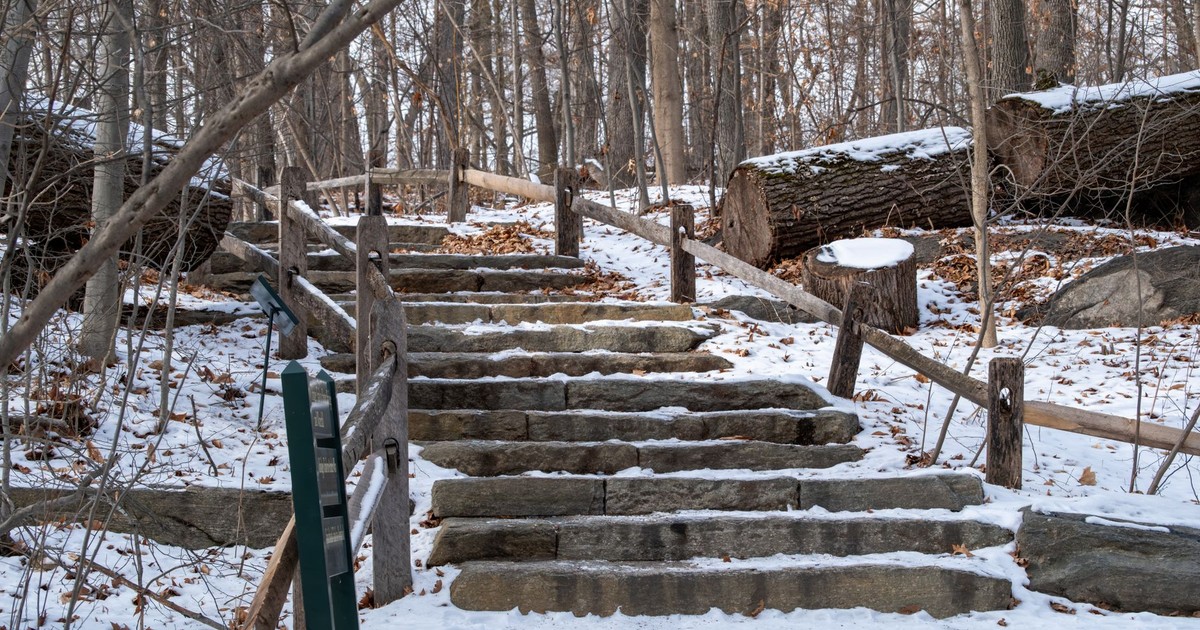
During construction work near Kibbutz Ramat Rachel, workers discovered the entrance to an ancient cavity, measuring 16 feet high and 10 feet wide, that was once accessed via a rock-cut staircase. That staircase descending from the surface into carved stone is one of the clearest signs that this structure was intentionally built, not naturally formed. Natural limestone caves don’t come with staircases.
Over the centuries – and perhaps even millennia – the entrance had become buried beneath layers of collapsed earth and debris. That accumulation is part of what makes dating the tunnel so difficult. The tunnel was filled with debris that IAA experts estimate accumulated over hundreds, and possibly thousands, of years. Layers of infill that thick suggest the tunnel fell out of use a very long time ago, though the debris itself doesn’t tell archaeologists when it was first built or for what purpose.
The sheer scale of the entrance structure also points to intentional, organized labor. Excavations at several points inside the tunnel confirmed it reaches heights of up to five meters and is approximately three meters wide, with the scale of the work indicating a carefully planned and resource-intensive engineering project. These weren’t people scraping at rock with basic tools. This required coordination, equipment, and a plan.
No Artifacts to Tell the Story
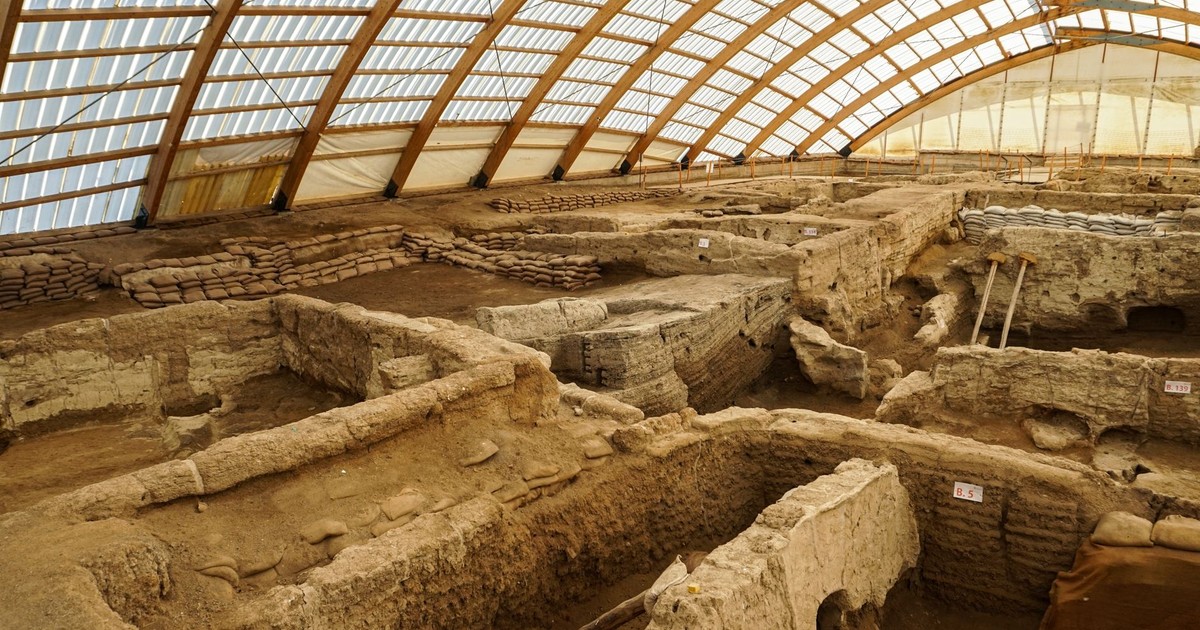
This is the detail that has left the research team most unsettled. As Dr. Mizrahi and Matskevich put it, “Not a single diagnostic artefact has been found – not even a small object that could help us determine when the tunnel was created.” No pottery shards. No coins. No tools. Nothing dropped, forgotten, or left behind.
In almost every ancient excavation in Jerusalem, datable objects turn up. The city has been continuously occupied for thousands of years, and it almost always leaves traces. A tunnel of this magnitude, presumably requiring sustained human presence during its construction, produced nothing.
According to Matskevich, the tunnel was probably built at least 2,000 years ago, in Roman times, and likely even earlier, but they cannot be sure. That estimate rests on context and construction style, not direct evidence. If future excavations uncover pottery, coins, or other artefacts linked to earlier periods, the tunnel could potentially be connected to activity under different rulers – but researchers stress that no evidence currently exists to date it, and any such connection remains speculative.
The Water Supply Theory Ruled Out First
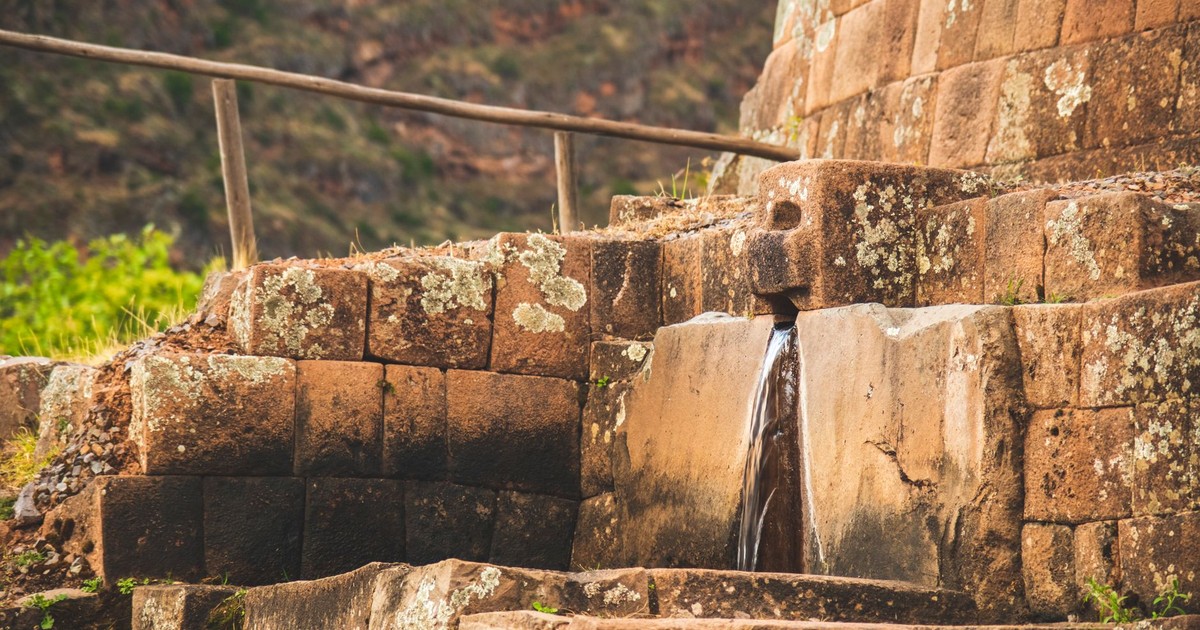
When the team first got a sense of the tunnel’s scale, an aqueduct or water installation seemed like a reasonable explanation. Ancient Jerusalem had a documented need for reliable water, and underground water channels were a well-established engineering solution in the region. Researchers initially proposed that the tunnel was an ancient water installation built to reach a nearby spring.
The physical evidence didn’t support it. According to a May 2026 statement from the Israel Antiquities Authority, researchers believed the passageway might have been part of an ancient water installation built to access underground springs, but this was ruled out since the walls of the tunnel were not covered in plaster as they typically would have been, and geologists found no evidence of any subterranean water sources in the area. Ancient water systems in this region were almost always plastered on the inside to prevent seepage through porous limestone. The walls here were bare rock.
The absence of any detectable underground spring nearby closed the argument entirely. A water channel needs water. Without both the engineering markers and a water source, the theory didn’t stand. Researchers moved on to look for another explanation.
Agricultural and Industrial Theories Also Eliminated

After water infrastructure was ruled out, the team considered whether the tunnel might have served an agricultural or storage function – underground spaces were used in antiquity for grain storage, wine production, and other agricultural needs. Researchers proposed an agricultural or industrial function, but this explanation was unlikely given the sheer scale of the site and the absence of similar underground systems nearby.
A tunnel 50 meters long, five meters high, and three meters wide is not a cellar or a storage pit. It’s a major infrastructure project. The absence of any adjacent installations – pressing floors, storage jars, drainage channels – meant there was nothing to link the tunnel to agricultural production. The scale of the excavation and the absence of similar underground systems nearby made this explanation appear unlikely.
That left the research team with fewer and fewer working theories, each eliminated by the same pattern: the physical evidence inside the tunnel simply didn’t match what would be expected if the tunnel had served that function. No plaster for water. No processing features for agriculture. No artifacts for dating. The tunnel kept ruling things out without offering anything in return.
The Quarrying Theory
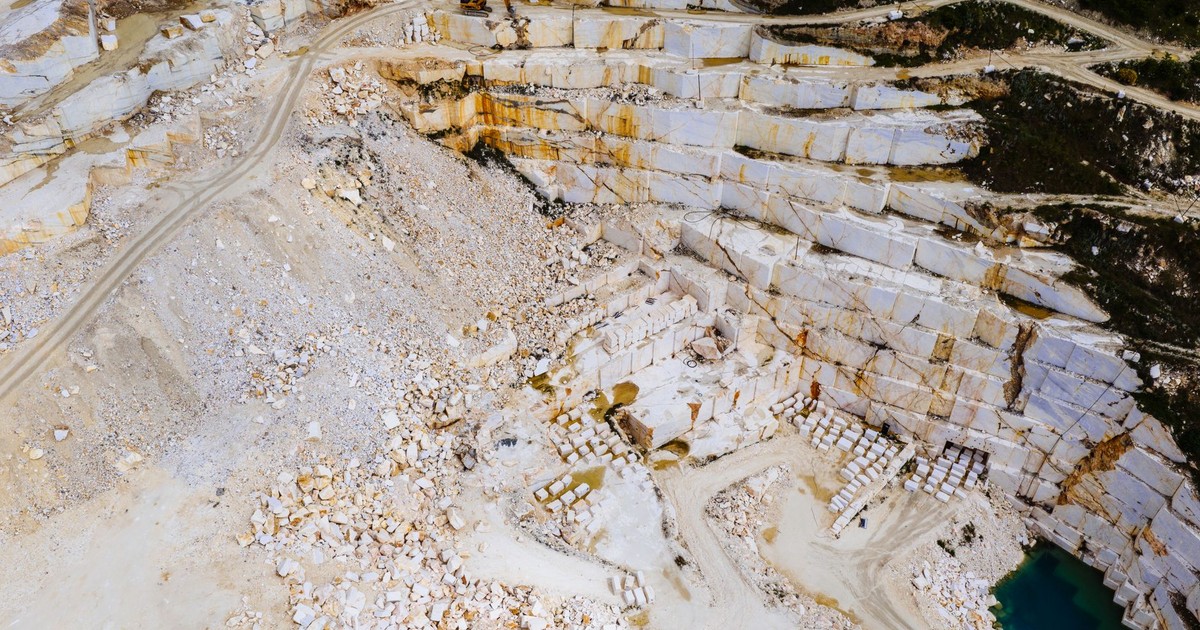
The current leading theory links the tunnel to quarrying activity, with archaeologists believing the builders may have been trying to reach a chalk layer suitable for producing lime or extracting building material. Lime was a critical material in ancient construction. In antiquity, lime was an essential commodity, with limestone quarried in large quantities and then fired in a kiln at temperatures around 1,650 degrees Fahrenheit. With carbon dioxide burned off, the rock was reduced to calcium oxide, or “quicklime,” which when combined with water becomes “slaked lime” – a white paste used for mortar, plaster, waterproofing, and whitewash across the ancient world.
Two features inside the tunnel support this idea. Quarrying debris was found on the tunnel floor, and a shaft was carved into the tunnel ceiling, which might have been used for ventilation – elements that support the hypothesis that the tunnel was used for quarrying, possibly to reach a layer of soft chalkstone. Ventilation shafts are a practical signature of underground quarrying work, where workers needed airflow to continue operating safely in an enclosed space.
The quarrying theory also has a compelling regional context. According to a 2024 report from the Biblical Archaeology Society, quarries have been found in Jerusalem before, including one that Herod is believed to have used for stone to renovate the Second Temple – but the layout of this tunnel doesn’t match previously documented quarrying sites in the area, which is part of what keeps the theory tentative. Even so, it remains uncertain, and if quarrying was the purpose, the work may never have been completed.
Meters from Two Major Iron Age Sites
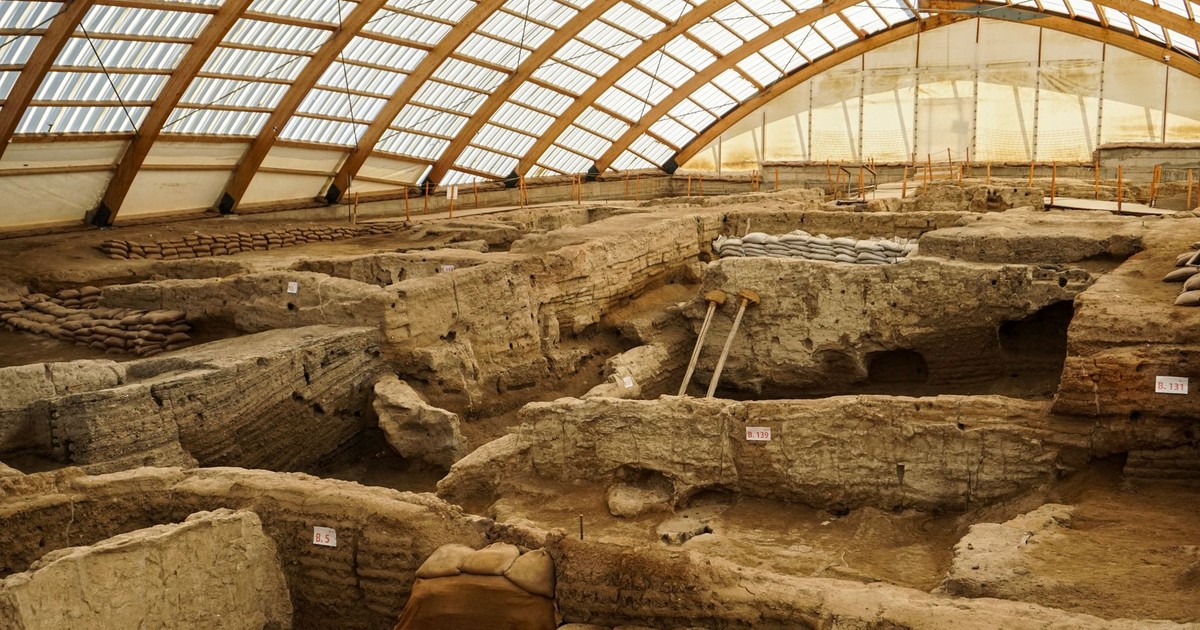
The site lies only a few hundred meters from major archaeological locations, including an Iron Age public building and Tel Ramat Rachel, where remains dating from the Iron Age through the Islamic period have been uncovered. That proximity is significant. Tel Ramat Rachel has been studied by archaeologists for decades and has yielded evidence of continuous occupation across multiple historical periods. A large-scale underground structure nearby could theoretically be connected to any of those periods.
The excavation directors noted that the tunnel is only a few hundred meters from an Iron Age public building in Jerusalem’s Arnona neighborhood and Tel Ramat Rachel, which is home to settlement remains from both the Iron Age and the Islamic period. Proximity is not evidence, though. The tunnel’s relationship to either site – if any exists – can’t be established without artifacts, dating material, or some structural connection between them. For now, the proximity raises possibilities that the archaeological record can’t yet confirm or deny.
The location does underscore how archaeologically dense this stretch of Jerusalem’s southern edge is. Every construction project in the area carries a reasonable chance of turning up something significant, which is precisely why Israeli law mandates surveys before any ground is broken. This discovery is a direct product of that requirement.
Read More: Ice Age Cave Find Is Rewriting History As We Know It
What Comes Next

The tunnel will not be paved over. The discovery is expected to be incorporated into an archaeological park as part of the new residential development. That means the site will remain accessible for further excavation, analysis, and public engagement – which matters because the research team hasn’t finished. Parts of the tunnel are still blocked and winding, meaning archaeologists have not yet reached its end. The full extent of the structure isn’t known.
Future excavations may yet produce the artifact that changes everything: a coin, a pottery fragment, a tool mark that matches a known historical period. Until that happens, the tunnel remains exactly what it is – a precise, deliberate, resource-intensive construction project carved into the rock beneath one of the world’s most historically significant cities, with no confirmed age, no confirmed function, and no name for the people who built it. Jerusalem, as one of the excavation directors put it, never stops surprising.
AI Disclaimer: This article was created with the assistance of AI tools and reviewed by a human editor.