People Who Drink Popular Morning Staple Had a 47% Lower Risk of a Specific Kind of Cancer, New Study Finds


Decaffeinated coffee and regular coffee produced nearly identical results in a 2026 study tracking more than 354,000 people for over a decade. If caffeine were the active compound, removing it would remove the benefit – and it doesn’t. The antioxidants in coffee, regardless of caffeine content, appear to decrease the activation of pathways that lead to inflammation and scarring in liver tissue, according to the study’s lead author.
The study, led by Dr. Hyunseok Kim, a transplant hepatologist and assistant professor of medicine at Cedars-Sinai Medical Center, tracked 354,957 UK Biobank participants who had no cirrhosis or liver cancer at enrollment. Researchers then followed those participants for a median of 13 years, recording new liver diagnoses, reviewing liver MRI scans from a subset of nearly 29,000 participants, and analyzing blood protein profiles. All three of those data sources pointed in the same direction.
People who drank five or more cups of coffee daily had, compared to non-coffee drinkers, a 47% lower risk of developing liver cancer – specifically hepatocellular carcinoma (HCC), the most common form of primary liver cancer. They also showed a 32% lower risk of cirrhosis and a 42% lower risk of dying from liver disease. Those numbers, published July 1, 2026 in Clinical Gastroenterology and Hepatology, came from one of the largest and most methodologically thorough investigations of coffee cancer risk and liver health ever conducted.
1. The Coffee Cancer Risk Link Is Stronger Than Previously Known

“Previous studies suggested that coffee might benefit the liver, but most were smaller or looked at only one piece of the puzzle,” Dr. Kim told CNN. This study was designed to close that gap. Rather than simply counting cirrhosis or cancer diagnoses, researchers cross-referenced clinical outcomes with what was actually visible inside participants’ livers on MRI and detectable in their blood.
People who drank the most coffee – five or more cups a day – had a 32% lower risk of cirrhosis, a 47% lower risk of liver cancer, and a 42% lower risk of dying from liver disease. For context: according to the American Cancer Society, approximately 42,340 new cases of primary liver cancer are expected to be diagnosed in the United States in 2026, with around 30,980 deaths projected. Any modifiable dietary habit associated with nearly halving that cancer risk deserves serious attention.
Hepatocellular carcinoma accounts for approximately 80 to 90% of liver cancers, which makes the HCC finding particularly significant. Coffee consumption is believed to slow liver disease’s progression to fibrosis, cirrhosis, and hepatocellular carcinoma, thanks to coffee’s robust mix of bioactive compounds. The 2026 study is the most direct and large-scale confirmation of that association to date, with the added advantage of biological data – not just diagnosis records – to support it.
2. Even One or Two Cups a Day Reduced Risk
The 47% figure rightly draws attention, but the dose-response relationship in this data tells a more useful story for the majority of coffee drinkers. Protective effects increased with greater consumption, but the coffee cancer risk reduction starts well below five cups a day.
Participants who drank one to two cups of coffee daily showed a 20% lower risk of developing cirrhosis and a 31% lower risk of liver-related mortality compared to non-coffee drinkers. That’s a meaningful reduction for a habit most people already have.
The 2026 Cedars-Sinai study used liver MRI data on a subset of nearly 29,000 participants, allowing researchers to see what was happening inside the liver structurally, rather than relying only on disease diagnoses. Participants who drank more coffee had lower levels of liver fat, liver iron, fibrosis, and liver inflammation. Each of those markers represents a distinct stage in the disease pathway that leads, over years, from a healthy liver toward cancer.
3. What Coffee Is Actually Doing Inside the Liver
The MRI data answered the “what” – coffee drinkers have measurably different liver tissue. The blood protein data began to answer the “why.” “We followed hundreds of thousands of people for more than a decade and looked at their health outcomes along with liver MRI scans and blood protein analyses,” Dr. Kim explained at Cedars-Sinai. “Together, those findings help explain the biological mechanisms behind coffee’s association with better liver health.”
Proteomic (blood protein) analysis showed coffee drinkers had measurably different molecular profiles, with higher levels of proteins associated with healthy liver function and lower levels of proteins linked to scarring and inflammation. This connects the habit to a biological signature – a difference you can measure in the blood, not just count in a diagnosis registry.
Liver cancer incidence rates have tripled in the US over the past four decades, according to the American Cancer Society. The biological pathways coffee appears to influence – specifically inflammation and fibrosis – are the exact mechanisms driving that increase, particularly in Western countries where fatty liver disease is now a leading HCC risk factor.
4. The Compounds Behind the Protection Aren’t the Caffeine
Dr. Kim told CNN: “We do see that probably, the liver benefit from the coffee is not from the caffeine, because we do see the similar benefit in the decaffeinated drinkers. So it seems more related to the anti-oxidative effect of the coffee.”
Coffee contains compounds including chlorogenic acids and other polyphenolic antioxidants that help reduce oxidative stress. Coverage of the study in Healthline notes that coffee specifically contains chlorogenic acid, caffeic acid, and ferulic acid – all of which help counter oxidative stress, the kind of cellular damage that drives inflammation and scarring in liver tissue.
Dr. Kim also noted: “We found consistent associations across clinical outcomes, MRI-based liver imaging, and proteomic biomarkers, which strengthens confidence that coffee is linked to healthier liver biology rather than simply healthier lifestyle habits.” A recurring critique of nutritional observational studies is that people who drink coffee may simply have healthier habits overall – the biological data adds weight to the idea that something specific to coffee is at work.
5. Cirrhosis Is the Bridge Between a Healthy Liver and Cancer
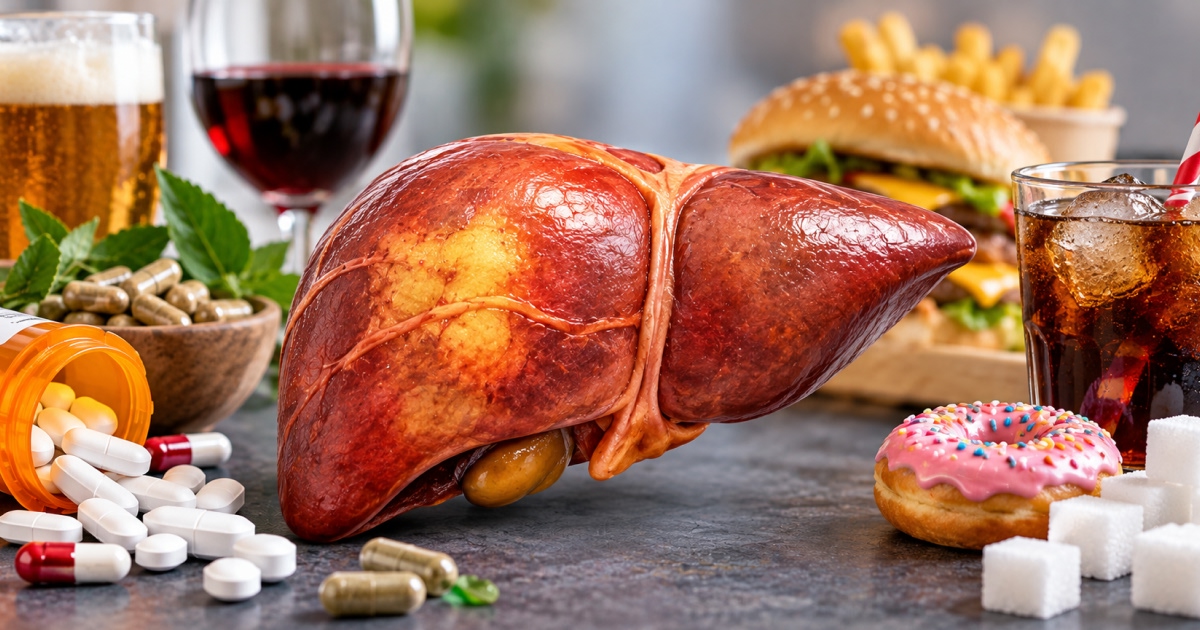
Cirrhosis is permanent liver scarring and damage that can result from several long-term liver diseases, including fatty liver disease, viral hepatitis, alcohol-related liver disease, and more, especially when untreated. The progression is stepwise. Excess liver fat is the foundation of non-alcoholic fatty liver disease, which can progress to fibrosis (scarring), then cirrhosis, then cancer.
Coffee appears to interfere with that progression at multiple points along the chain – reducing fat accumulation, dampening inflammation, and slowing the fibrosis process. The MRI scans showed coffee drinkers had lower readings across all four of those markers, which suggests the protection operates at each stage rather than just one.
The primary risk factors for HCC include chronic hepatitis B and C, alcohol-associated liver disease, and non-alcoholic fatty liver disease. Many of these conditions are becoming more prevalent, not less – which is precisely why a widely consumed, low-cost dietary factor that appears to reduce risk at multiple stages of the disease pathway is worth tracking carefully.
You can find more on foods that support liver function in our dedicated guide, which covers the evidence behind other dietary habits shown to protect liver tissue.
6. Adding Sugar or Artificial Sweeteners Weakened the Effect
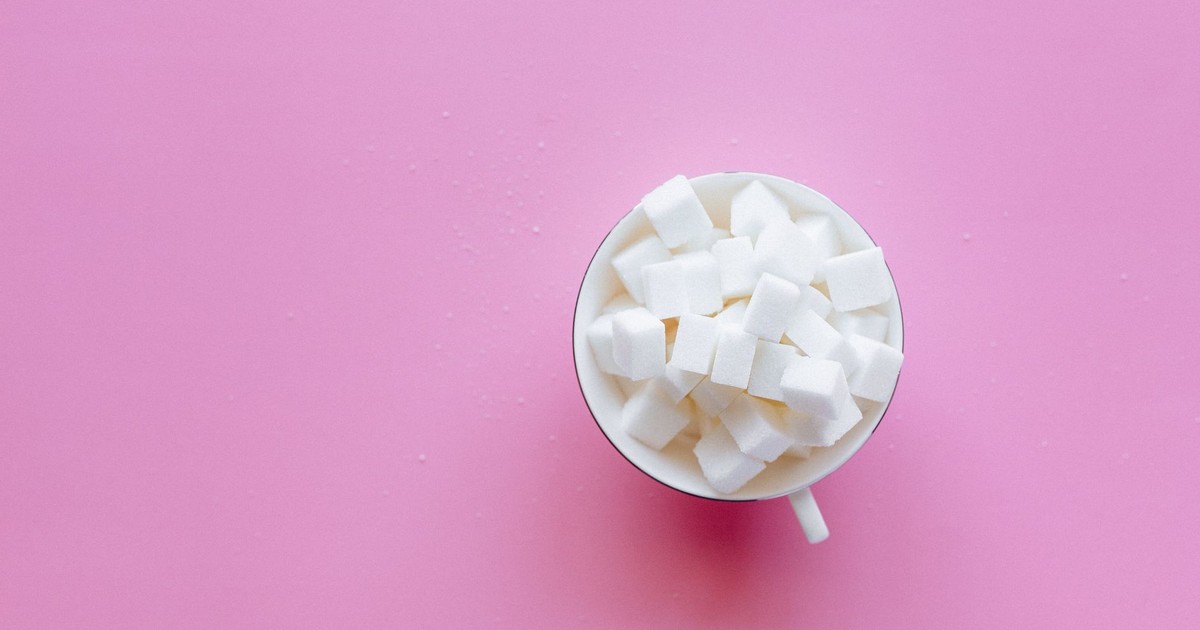
Participants who used sweeteners in their coffee had an elevated marker for liver inflammation, which can contribute to fatty liver disease, according to Dr. Kim. The comprehensiveness of the 2026 study – described by Dr. Kim as “probably the most comprehensive long-term follow-up data of coffee’s impact” – included tracking not just how much coffee participants drank but how they drank it, including whether they added sugar or artificial sweeteners.
The risk reductions were slightly lower among those who sweetened their coffee, particularly for liver inflammation markers. Black coffee, or coffee with minimal additions, appears to be where the protection is strongest. This doesn’t mean a single teaspoon of sugar nullifies everything. The study’s overall pattern was still protective for sweetener users – just less so. For people already working to protect their liver health, choosing unsweetened coffee is a low-effort adjustment with a plausible biological rationale.
7. There’s a Practical Dose Range – and a Safety Ceiling
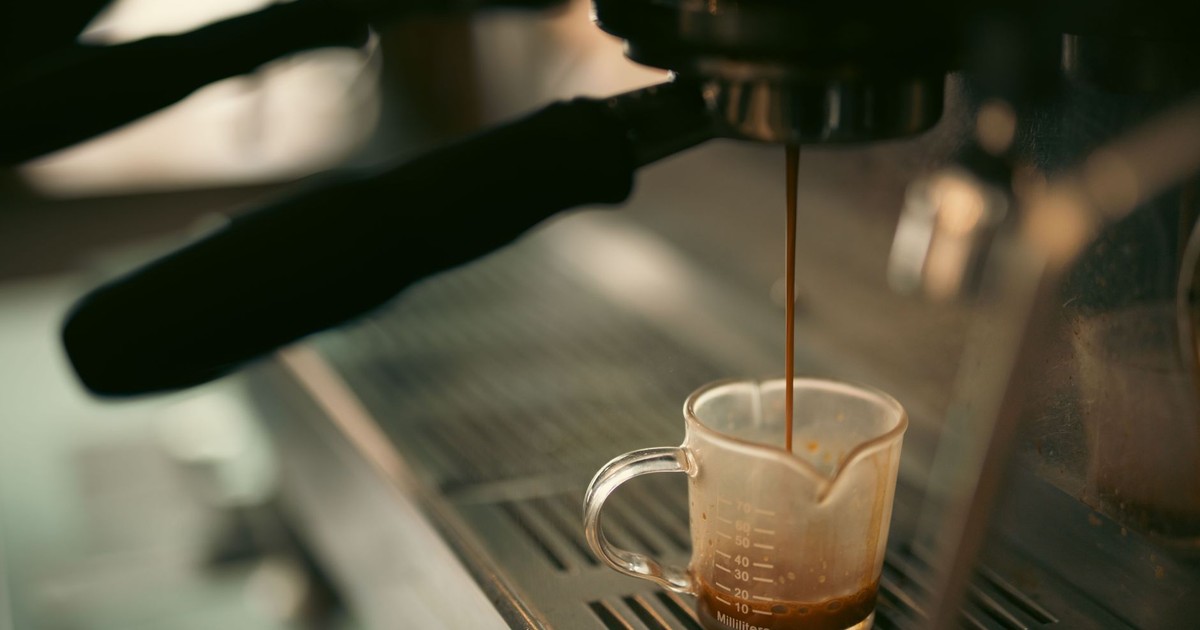
The study found that benefits appeared even at one to two cups daily and were strongest around three to four cups per day. The maximum risk reductions observed were at five or more cups daily – a 32% lower risk of cirrhosis, a 47% lower liver cancer risk, and a 42% lower risk of liver-related death.
On the safety side, the American Heart Association states that up to 400 mg of caffeine per day – roughly three to five cups of coffee – is generally considered safe for healthy adults. Beyond that threshold, caffeine-related effects on blood pressure, heart rate, and sleep can become a concern for some people. Individuals with anxiety, high blood pressure, pregnancy, or heart arrhythmias should discuss their caffeine intake with a physician before adjusting it based on liver health data.
“Our findings support moderate coffee consumption for people who already enjoy and tolerate it well,” said senior study author Dr. Ju Dong Yang, medical director of the Liver Cancer Program at Cedars-Sinai. “However, we would not recommend that someone begin drinking coffee solely for liver protection based on this study alone.” That caveat matters. This is an observational study – it shows association, not proof of cause. The cohort was also more than 90% European, which limits how broadly the findings can be generalized.
Read More: Coffee and liver disease risk
What This Means for You

The 2026 Cedars-Sinai study is not a reason to start drinking coffee if you don’t already enjoy it or if it disagrees with you physically. Combined with the MRI and blood protein data, it is some of the strongest biological evidence yet that the coffee cancer risk association for liver cancer is real, dose-dependent, and present across coffee types. If you already drink one to three cups daily, you may already be in the range where liver-protective effects appear without any changes needed.
Two adjustments are worth considering if liver health is a priority. First, drink it without added sugar or artificial sweeteners when possible – the study found those additions were associated with slightly higher liver inflammation markers. Second, if you’re drinking decaf for unrelated reasons like caffeine sensitivity, you don’t need to switch back. The 2026 data shows decaf drinkers received nearly identical liver benefits, which means the compounds doing the protective work survive the decaffeination process. Three to four cups daily of black or lightly prepared coffee, caffeinated or decaf, represents a practical and evidence-consistent target for most healthy adults.
Disclaimer: This information is not intended to be a substitute for professional medical advice, diagnosis, or treatment and is for information only. Always seek the advice of your physician or another qualified health provider with any questions about your medical condition and/or current medication. Do not disregard professional medical advice or delay seeking advice or treatment because of something you have read here.
AI Disclaimer: This article was created with the assistance of AI tools and reviewed by a human editor.