
Diabetes Drug Could Help Repair Damage in Fatty Liver Disease

The Hearty Soul article I found at `theheartysoul.com/quit-ozempic-side-effects/` is about quitting Ozempic and is contextually relevant to GLP-1 medications and fatty liver disease. I’ll use that as the Read More. Now I have all the facts I need to write a thorough, well-cited article. Let me write it now.
Roughly one in 20 Americans is currently living with a liver condition that causes active inflammation and scarring, yet most of them don’t know it. The organ shows no pain. Routine blood panels often look normal. And until very recently, there was no approved drug that could stop the damage once it started – only lifestyle changes and time.
That changed in August 2025, when the FDA expanded the approved uses of a drug that millions of Americans already take for weight loss and type 2 diabetes. The approval wasn’t for a new molecule. It was for Wegovy, the injectable form of semaglutide, and its new target is the liver.
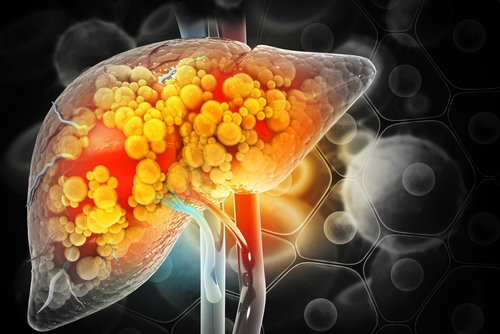
The liver disease in question is called metabolic dysfunction-associated steatohepatitis, or MASH. It’s the inflammatory, progressive stage of what most people still call fatty liver disease. Left untreated, it scars the liver, disables its function, and in many cases ends in organ failure or cancer. The fact that a widely used diabetes drug appears capable of reversing that process, confirmed in a major clinical trial, is one of the more consequential developments in liver medicine in years.
What MASH Is and Why It Matters for Fatty Liver Disease Treatment
Metabolic dysfunction-associated steatotic liver disease, or MASLD, is the umbrella term for fat accumulation in the liver unrelated to alcohol. Previously called nonalcoholic fatty liver disease, it has become the most prevalent cause of chronic liver disease worldwide. The condition is estimated to affect more than 30% of the global population.
Approximately one in 20 people in the US is living with MASH, the more advanced, inflammatory stage of the disease. Left untreated, MASH can progress to serious and even fatal outcomes, including cirrhosis, liver cancer, and the need for a liver transplant. MASH is characterized by steatosis (fat accumulation), hepatocellular damage, and inflammation, which can lead to liver fibrosis, cirrhosis, and hepatocellular carcinoma.
The stakes at the fibrosis stage are especially high. MASH with significant fibrosis, specifically stages F2 and F3, represents a critical juncture at which intervention may avert the transition to cirrhosis, liver cancer, and liver-related death. According to data from Madrigal Pharmaceuticals, patients at this stage face 10 to 17 times the risk of liver-related death compared to those without fibrosis, and MASH is already the leading cause of liver transplants among women in the US.
The disease is closely tied to two other widespread conditions. MASLD and MASH are closely linked to obesity, type 2 diabetes, and cardiovascular and kidney disease, with the burden of end-stage liver disease from this condition rising worldwide. Among people with type 2 diabetes, the American Association for the Study of Liver Diseases estimates that up to half have underlying MASLD, with a higher-than-average risk of progression to the scarring stage.
The Drug That Changed the Calculation
Until March 2024, there was no approved pharmacologic treatment for MASH at all. On March 14, 2024, the FDA granted accelerated approval to resmetirom (Rezdiffra), making it the first drug ever approved for noncirrhotic MASH with moderate to advanced liver fibrosis. It was a thyroid hormone receptor-beta agonist taken as a daily oral pill, and its approval was genuinely historic after decades of failed drug programs.
Then, sixteen months later, the field added a second option from an entirely different drug class.
In August 2025, the FDA approved injectable semaglutide 2.4 mg (Wegovy) for the treatment of noncirrhotic MASH in adults with moderate to advanced liver fibrosis, consistent with stages F2 to F3. With this latest approval, semaglutide became the first pharmacologic therapy from the GLP-1 receptor agonist class available for adults with MASH and fibrosis who do not yet have cirrhosis. Semaglutide was already approved for chronic weight management, type 2 diabetes, and reducing cardiovascular events in people with obesity – meaning it’s a drug that liver specialists are now prescribing to patients who may already be taking it for an entirely different reason.
What the ESSENCE Trial Found
The approval was built on the results of a phase 3 study published in the New England Journal of Medicine in April 2025, known as the ESSENCE trial. ESSENCE was a global, multicenter, randomized, double-blind, placebo-controlled trial enrolling adults with histologically confirmed MASH and F2 to F3 fibrosis. A total of 1,197 patients were randomized 2:1 to receive semaglutide 2.4 mg subcutaneously once weekly or placebo for 240 weeks, with the currently reported results drawn from a prespecified interim analysis at week 72 among the first 800 participants with paired liver biopsies.
The results at 72 weeks were decisive on both primary endpoints. Resolution of MASH without worsening of fibrosis was achieved in 62.9% of semaglutide-treated participants, compared to 34.3% in the placebo group. A reduction of at least one stage of liver fibrosis without worsening of steatohepatitis occurred in 36.8% of the semaglutide group versus 22.4% of those on placebo.
The metabolic improvements went beyond liver tissue. People taking semaglutide lost an average of around 11% of body weight, compared to just 2% in the placebo group. Liver enzymes also dropped substantially, with a 40% placebo-adjusted decrease in alanine aminotransferase (ALT), 30% decrease in aspartate aminotransferase (AST), and 40% decrease in gamma-glutamyl transferase (GGT), all statistically significant versus placebo.
The authors concluded that semaglutide provides “a holistic therapeutic approach to both liver disease and associated cardiometabolic illnesses.” That framing matters, because most people with advanced MASH are also managing diabetes, cardiovascular risk, and obesity simultaneously. A drug that addresses all of them with a single weekly injection represents a meaningful shift in how these overlapping conditions can be managed together.
How Semaglutide Works on the Liver
Semaglutide belongs to the GLP-1 receptor agonist class, which mimics glucagon-like peptide-1, a natural hormone released after eating that regulates blood sugar and appetite. Its liver effects operate through more than one pathway.
Semaglutide increases the proportion of patients achieving MASH resolution without worsening fibrosis and significantly improves fibrosis stage, with these histologic effects coinciding with substantial weight reduction of approximately 10 to 11% versus placebo. The weight loss itself relieves a major source of metabolic stress on the liver, as excess fat deposition drives much of the inflammatory cascade that causes MASH.
But the liver effects aren’t purely secondary to weight loss. Research demonstrates that GLP-1 receptor agonists reduce hepatic steatosis, attenuate inflammatory pathways, and impede disease progression in MASLD through both indirect mechanisms via weight loss and direct effects on insulin sensitivity and inflammatory modulation. The drug also improves blood sugar control and reduces fatty acid output from fat tissue, two processes that feed directly into liver fat accumulation when dysregulated.
This dual-mechanism profile, working both centrally through appetite and weight, and locally through metabolic pathways in the liver, helps explain why the trial results were as strong as they were.
What “Accelerated Approval” Means for Patients
The accelerated approval requires confirmatory evidence from the ESSENCE trial and other ongoing studies to validate long-term clinical benefit. The second part of the ESSENCE trial will extend to 240 weeks, focusing on whether semaglutide lowers the risk of liver-related clinical events compared with placebo, with findings expected in 2029.
Accelerated approval is a pathway the FDA uses when a drug shows clear improvement on a surrogate endpoint – in this case, liver biopsy results showing reduced inflammation and fibrosis – that is reasonably likely to predict clinical benefit, even before longer-term outcome data is available. The interim histologic data from ESSENCE met that bar. The 2029 data will determine whether those tissue-level improvements translate into fewer liver failures, hospitalizations, and deaths.
Semaglutide is not approved for MASH with cirrhosis. Lifestyle modification remains essential alongside drug treatment. This is a critical point for patients and their clinicians: the window in which semaglutide can be used is the F2 to F3 fibrosis stage. Once scarring has progressed to cirrhosis, the approval does not apply.
The Safety Profile
Gastrointestinal side effects were the most commonly reported adverse events in the ESSENCE trial. Nausea affected 36.3% of semaglutide participants versus 13.2% on placebo; diarrhea occurred in 26.9% versus 12.2%; constipation in 22.3% versus 8.4%; and vomiting in 18.6% versus 5.6%. These are consistent with what has been observed across semaglutide’s other approved uses.
One notable finding from the trial: by week 72, 88% of participants had successfully maintained the full target dose of semaglutide 2.4 mg, and no new safety signals emerged beyond the known profile for semaglutide. Adverse events that led to discontinuation occurred in 2.6% of the semaglutide group and 3.3% of the placebo group – a notably low discontinuation rate compared to what is sometimes reported in real-world settings, though trial populations tend to be closely monitored.
Safety monitoring in clinical practice focuses on gastrointestinal symptoms, rare serious events, and tracking treatment response with liver enzyme levels and noninvasive tests over approximately 72 weeks.
Read More: The Disturbing Reality to What Happens to Your Body Once You Quit Ozempic
What This Means for You
For anyone already taking semaglutide for weight loss or type 2 diabetes, the ESSENCE results raise a straightforward question worth discussing with a physician: could you also be living with undiagnosed MASH? Given that up to half of people with type 2 diabetes have underlying MASLD, and most cases of MASH produce no symptoms until the disease is advanced, many patients taking Wegovy or Ozempic may have liver disease that has never been evaluated.
Researchers at UChicago Medicine estimate that at least 25 million people in the United States could benefit from a MASH treatment, but only a small percentage of those have been identified clinically – meaning the gap between who qualifies for treatment and who actually gets it is still large. Candidates for semaglutide therapy are currently selected using noninvasive tests such as vibration-controlled transient elastography (a liver stiffness scan) or MR elastography, rather than routine liver biopsy, making screening more accessible than it once was.
If you have type 2 diabetes, obesity, or any combination of high blood pressure, high triglycerides, or insulin resistance – all risk factors for MASLD – ask your doctor whether a noninvasive liver stiffness assessment makes sense. The ESSENCE trial demonstrated that in patients who do have F2 to F3 fibrosis, a once-weekly injection can achieve MASH resolution in nearly two out of three people. That’s an outcome the field could not have offered just two years ago.
Disclaimer: This information is not intended to be a substitute for professional medical advice, diagnosis, or treatment and is for information only. Always seek the advice of your physician or another qualified health provider with any questions about your medical condition and/or current medication. Do not disregard professional medical advice or delay seeking advice or treatment because of something you have read here.
AI Disclaimer: This article was created with the assistance of AI tools and reviewed by a human editor.